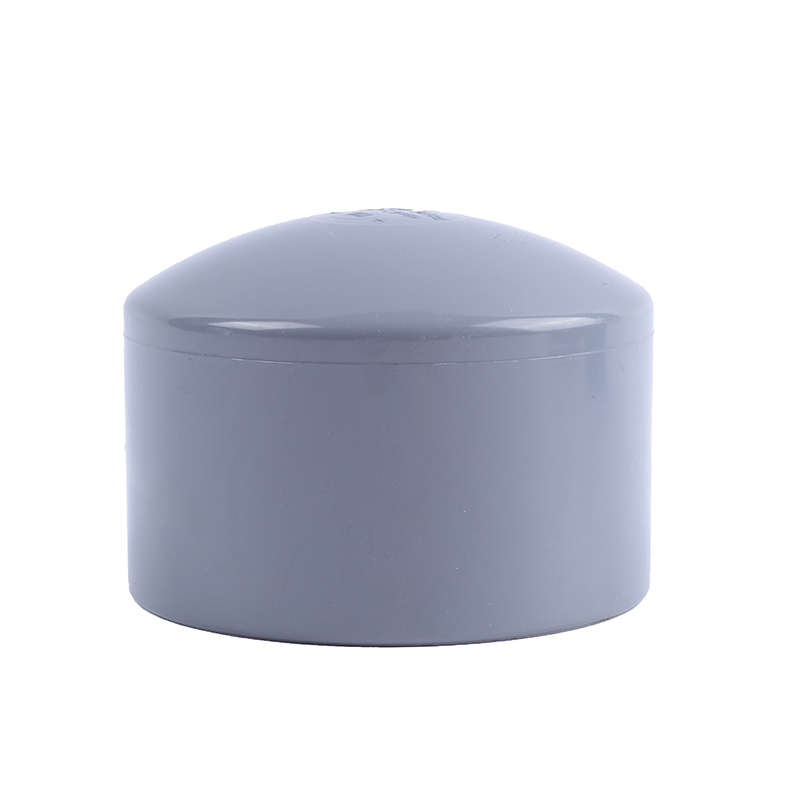
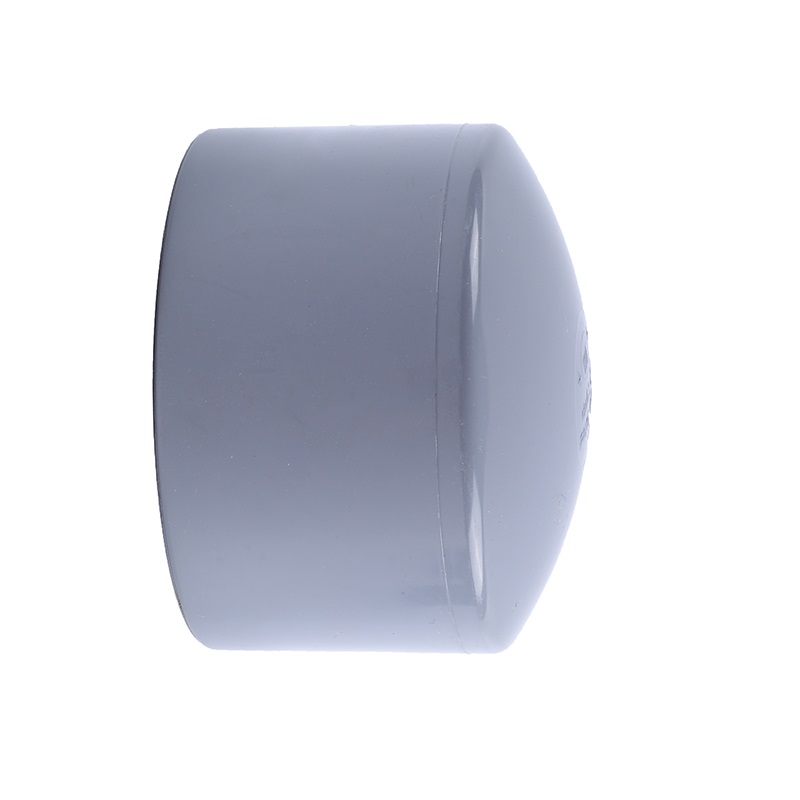
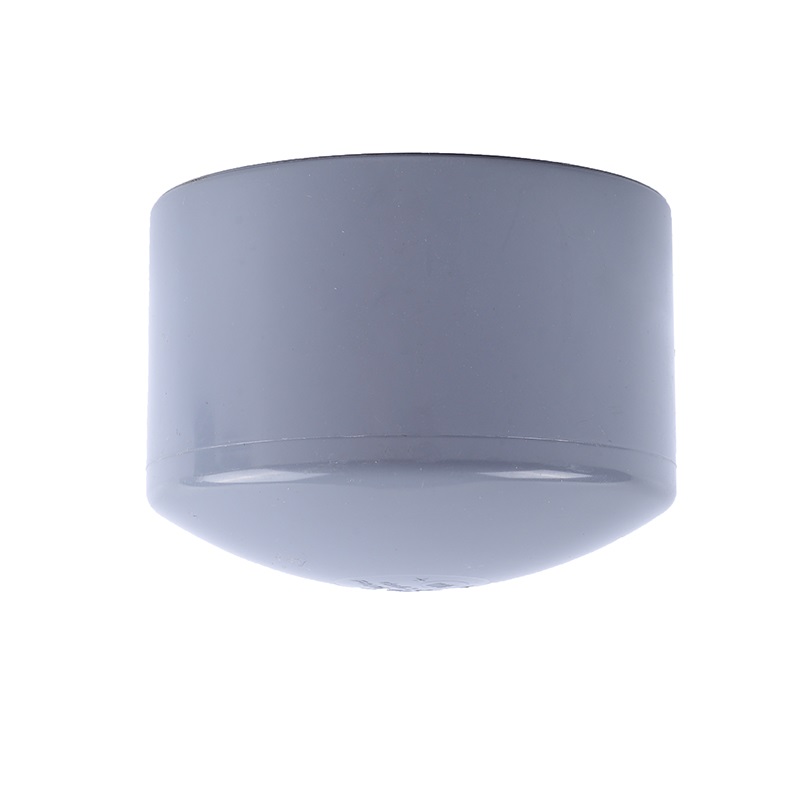
The CPVC Solvent Cement End Cap is a socket cap in chlorinated polyvinyl chloride (CPVC) used to close and seal the end of a pipe run, bonded with CPVC solvent cement. The CPVC Solvent Cement End Cap forms a permanent glued seal in potable water and industrial corrosive lines, its rounded dome spreading pressure evenly without stress points. Rated to 90°C, this CPVC solvent cement end cap resists most acids, alkalis and oxidizing media and also serves for test isolation and future tie-ins.
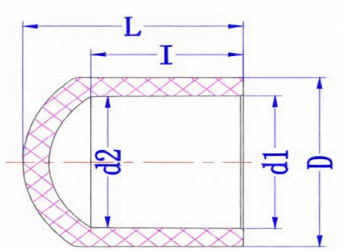
|
Specification
|
Socket
|
|
|
Diameter
|
|
|
|
d1
|
d2
|
I
|
D
|
L
|
|
20
|
20.3
|
20.1
|
16.0
|
27.0
|
28.50
|
|
25
|
25.3
|
25.1
|
20.0
|
33.0
|
29.50
|
|
32
|
32.3
|
32.1
|
24.0
|
40.5
|
35.50
|
|
40
|
40.3
|
40.1
|
28.0
|
49.1
|
40.00
|
|
50
|
50.3
|
50.1
|
32.0
|
61.0
|
46.50
|
|
63
|
63.3
|
63.1
|
38.0
|
75.0
|
54.50
|
|
75
|
75.3
|
75.1
|
47.0
|
87.0
|
66.50
|
|
90
|
90.3
|
90.1
|
52.5
|
104.0
|
74.50
|
|
110
|
110.4
|
110.1
|
63.0
|
125.4
|
85.50
|
|
140
|
140.5
|
140.2
|
77.0
|
162.0
|
92.00
|
|
160
|
160.5
|
160.2
|
86.0
|
186.0
|
105.00
|
|
225
|
225.8
|
225.0
|
117.5
|
261.0
|
155.00
|
Key Features of CPVC Solvent Cement End Cap
- Deep socket cap seals and closes the end of a CPVC pipe run.
- Socket bonds with CPVC solvent cement into a permanent, monolithic glued seal.
- Rounded dome distributes internal pressure evenly without stress corners.
- Long-term service up to 90°C; resists acids, alkalis, salts and oxidizing media.
- Used for line termination, test isolation and future tie-in points.
Manufacturing Process of CPVC Solvent Cement End Cap
Each CPVC Solvent Cement End Cap is injection molded as one CPVC piece with a pressure-rated dome and deep socket, then reamed and gauge-checked before solvent-cement bonding. Solvent cement is applied to the cleaned socket and pipe spigot, which are then held until the glued joint cures into a single continuous CPVC structure.
Critical Process Parameters of CPVC Solvent Cement End Cap
- CPVC compound is processed inside its narrow melt-temperature window to avoid degradation.
- Socket inner diameter and spigot interference are controlled to the CPVC solvent-cement fit tolerance.
- Cement coating is even and full-length; set and cure times follow the cement manufacturer schedule before pressure testing.
- Wall-thickness uniformity and roundness are checked to safeguard pressure rating.
- 100% visual and dimensional inspection, with batch pressure and hydrostatic testing.
Raw Material Characteristics of CPVC Solvent Cement End Cap
- Body in CPVC (chlorinated polyvinyl chloride), joined with CPVC solvent cement.
- Long-term service temperature up to 90°C, well above conventional UPVC.
- Excellent resistance to acids, alkalis, salts and many oxidizing media.
- Flame retardant and self-extinguishing with a high limiting oxygen index (LOI).
- Smooth non-scaling inner surface keeps flow efficient and biofilm low.
Typical Applications of CPVC Solvent Cement End Cap
- Sealing open ends in potable hot and cold water CPVC distribution.
- Temporary caps during pressure testing and commissioning.
- Future tie-in points in water treatment and RO pipework.
- Line closures in acid, alkali and chemical process systems.
- Glued end caps in corrosive drainage and desalination installations.
Application Scenarios of CPVC Solvent Cement End Cap
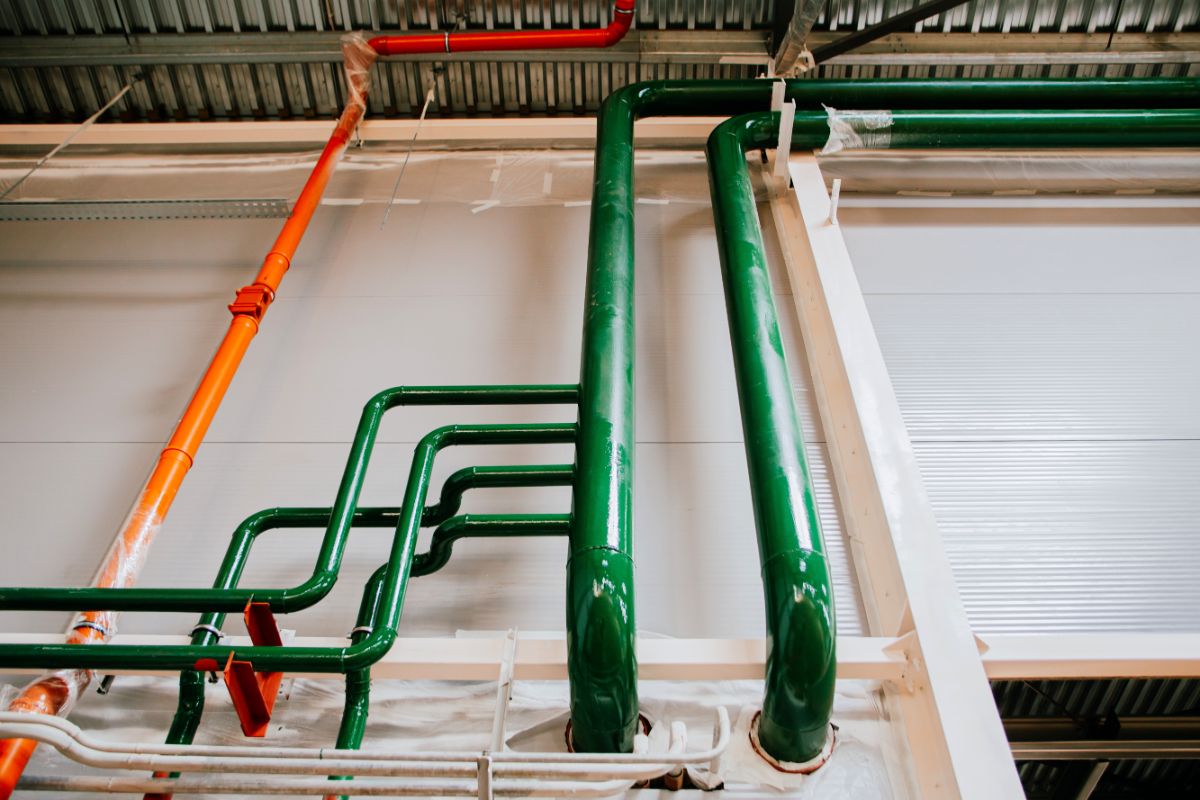
The CPVC Solvent Cement End Cap closes and pressure-seals a pipe end with one permanent glued socket joint in potable water and industrial corrosive CPVC systems.